-
 Peter Titus (1770-1838)
 Autobiographical memoir of Peter Titus, an African American member of the Moravian Church. The text was dictated in 1838 and supplemented by an account of his final years and death in the Nazareth almshouse in 1843. Titus describes his childhood in New York in the home of Christian Fröhlich, his vocational training as a tanner, his various roles as postmaster and farmer, and his service as a preacher for the Black community on Staten Island.
-
 Nicholas Eberhard (1723-1770)
 Autobiographical memoir of Nicholas Henry Eberhard, including a concluding postscript by his widow, Sara Eberhard (née van Vleck). Born in Copenhagen, Eberhard recounts his education, his conversion to the Moravian faith, and his subsequent travels to Herrnhaag and Pennsylvania. The narrative details his extensive service as a bookkeeper in Bethlehem, steward of the Single Brethren's Choir, missionary to the Indian flock at Scatticoke, and his final ministerial assignments at Oldmans Creek and Manakesy, Maryland.
-
 Elizabeth Wilson (1731-1765)
 Written in English, this document is an autobiographical spiritual memoir of Elizabeth Wilson, born in 1751 in the parish of Leeds, Yorkshire. Written in first person, the narrative recounts her upbringing in the Church of England, apprenticeship and youthful worldliness, and her gradual spiritual awakening through exposure to religious preaching. The memoir reflects themes of repentance, inward conviction, and religious transformation common to Moravian spiritual literature.
-
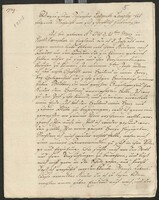 Erdmuth Langley (1741-1789)
 In this autobiographical memoir, Erdmuth Langley recounts her journey from Northampton, England, to Bethlehem, Pennsylvania, including her passage on the ship Irene in 1754. She describes her upbringing in London, her training as a tailor in Philadelphia, and her life in the Bethlehem Moravian community as a teacher and nurse. The account details her deep spiritual commitment and her service to the congregation until her death from influenza at the age of 48.
-
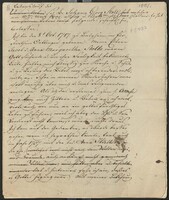 Johann Georg Stoll (1717-1801)
 Autobiographical memoir of Johann Georg Stoll. The text describes his origins in Balkheim in the Principality of Oettingen and his spiritual awakening in 1741 under the preaching of Pastor Dödelein. It documents his journey to the Moravian congregations in Herrnhaag and Marienborn, his voyage to Pennsylvania in 1749 on the ship "Irene," and his various services in the Moravian households of Gnadental and Friedensthal. A significant focus is placed on his marriage to Anna Hütter and their shared service within the community.
-
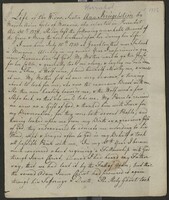 Ann Krügelstein (1713-1778)
 Written in English, this document is an autobiographical spiritual memoir of the widow Sister Ann Krügelstein (née Anne Gole of Moravia), who died in Herrnhut on April 30, 1788. Written primarily in the first person, the narrative recounts her birth in 1713 near Fulneck in Moravia, her childhood, her parents’ religious devotion, and formative spiritual experiences. The memoir emphasizes themes common to Moravian religious literature, including divine providence, grace, salvation through Jesus Christ, and lifelong Christian faith.
-
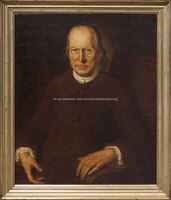 "Father" David Nitschmann, Sr.
 Portrait of an elderly Moravian man, sitting on a chair, showing both hands, one button is missing. gold frame.
David Nitschmann (1676-1758), 'Altvater', born in Zauchtental, Moravia, married Anna Schneider (1702), imprisoned (1724?), escaped and went to Herrnhut (1725), missionary in St. Croix (1733-37), went to Pennsylvania (1740), one of the founders of Bethlehem, felled the first tree for the new community, became proprietor of the Moravian property (1751). He died in Bethlehem. Anna Nitschmann ('Caritas') was his daughter.
-
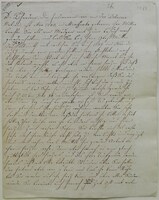 D. Theodora (1742-1761)
 Written in Kurrent in the German language, this document is a biographical memoir of Theodora (1742–1761), a woman associated with the Delaware (Lenape) Nation who was born in 1742 in Minisink. The narrative recounts her family background, childhood, religious instruction, and experiences within the Moravian community. The account reflects themes of hardship, Christian conversion, spiritual development, and participation in Moravian religious life, while also providing insight into Indigenous experiences and Moravian missionary activity in colonial North America.
-
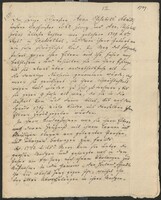 Anna Elisabeth Schmidt (1759-1789)
 Written in Kurrent in the German language, this document is a biographical memoir of Anna Elisabeth Schmidt, born September 14, 1739, in Gnadenthal. The narrative recounts her family background, childhood, religious upbringing, periods of illness and hardship, and involvement in the Moravian community. Like many Moravian memorial biographies, the account emphasizes themes of faith, suffering, spiritual growth, and religious devotion.
-
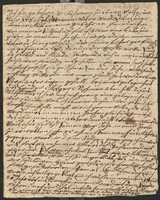 Rosina Neubert (1705-1785)
 Written in Kurrent in the German language, this document is an autobiographical memoir or spiritual life narrative of Rosina Neubert born in Moravia. The memoir recounts her family background, childhood, labor and hardships, religious upbringing, and spiritual development. The narrative reflects themes common to Moravian memoir literature, including suffering, religious instruction, prayer, repentance, and the search for salvation and spiritual peace.
-
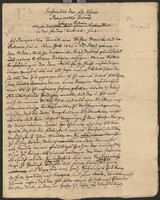 Margaretha Edmonds (1721-1773)
 Written in Kurrent in the German language, this document is an autobiographical memoir or spiritual life narrative (“Lebenslauf”) of Margaretha Edmonds (1721–1773). The text states that she was born in New York on March 7, 1721, to Henrich and Eva Antonia Edmonds and that she was raised in the Dutch Reformed Church. It reflects on her religious upbringing, her mother’s influence, and her developing spiritual experiences and faith. Like many Moravian spiritual memoirs, the narrative combines personal recollection with religious reflection and was likely preserved by the Moravian community after her death.
-
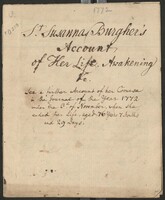 Susanna Burgher (1696-1772)
 Autobiographical narrative of Susanna Burger (1696–1772), describing her early life in New York, family relationships, marriage, and religious development.
-
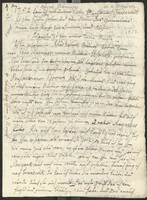 Martha Büninger (1723-1812)
 Written in Kurrent in the German language, this document is an autobiographical memoir or spiritual life narrative dating from approximately 1752. The narrative is written in the first person and recounts the author’s early life and family history. The writer states that they were born in Rhode Island to John Marriner and Elizabeth Marriner, with the father described as an English sea captain born in England and the mother born in New England. The memoir explains that the father traveled to America and the West Indies in search of opportunity but later died of fever. The author recalls being separated from their mother for many years during childhood and later references connections to Quaker communities, Long Island, New York, and Brunswick. The document reflects themes of migration, family hardship, and religious and personal experience in colonial America.
-
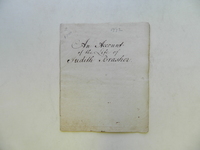 Judith Brasher (1700-1772)
 Written in English, this document is an autobiographical religious memoir or spiritual life narrative recounting the early life and family history of the author and the author’s father, Jacob, who was born in 1700 and baptized in the Reformed Church. The narrative describes family hardships, the loss of parents during childhood, religious instruction, and the development of Christian faith. Like many Moravian spiritual memoirs, the text emphasizes themes of suffering, conversion, prayer, and salvation through Jesus Christ.
-
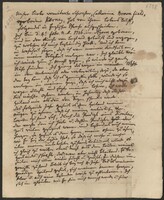 Catharina Brownfield (1716-1798)
 Written in Kurrent in the German language, this document is an autobiographical memoir or spiritual life narrative of Catharina Brownfield, née Kerney, a widowed Moravian woman born on February 24, 1716, in Nyon. Written in the first person, the memoir recounts her early life, family background, religious upbringing, and personal hardships. The narrative reflects on periods of illness, emotional suffering, and spiritual struggle, while also describing her developing faith and religious experiences. Like many Moravian spiritual memoirs, the document emphasizes themes of personal reflection, suffering, prayer, and the search for salvation.
-
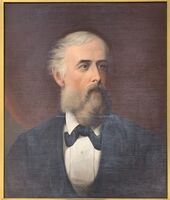 William Cornelius Reichel (1824-1876)
 Portrait of William Cornelius Reichel (1824-1876).
-
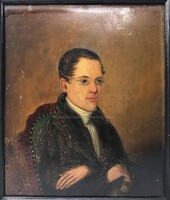 Samuel Reinke
 Reinke, Samuel (1818)
Portrait of a young man from the side, black jacket, white scarve, in oval
Samuel Reinke (1791‐1875), born in Lititz, Brüderpfleger and ‐Vorsteher in Lititz (1816‐1819), married with Susanna Theodora Eyerle (1819), ordained a deacon (1819) and served in Lancaster, Philadelphia, Newport, Lititz. In 1826 Susanna Re‐inke died in Lititz and Samuel remarried with Charlotte Sophia Hüffel (1827). They served in Graceham, Lancaster, Nazareth, Bethlehem, New York, and in Lititz. He was a member of the PHC (1839‐1847) and was ordained a bishop (1858). Samuel Reinke suffered from a weak health. He died in Bethlehem.
-
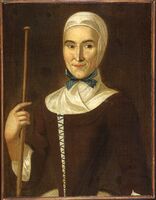 Johanna Ingerheidt Schmick (1721-1795)
 Portrait of Johanna Ingerheidt Schmick (1721-1795)
Schmick was a missionary to the Delaware and Mahican Indians first in Gnadenhütten, Pennsylvania in 1751 and later in Gnadenhütten, Ohio in 1773. Gnadenhütten translates to "village of grace." In 1782, U.S. militiamen from Pennsylvania attacked the Ohio settlement and massacred 96 men, women, and children who were pacifist Moravian Indians (primarily Lenape and Mohican).
Born Johanna Ingerheidt in Larvik, Norway, she arrived in Pennsylvania in 1752 on
the Moravian transport the Irene. She married John Jacob Schmick in 1752 in Bethlehem.
Restoration funded by Mr. and Mrs. Walter L. Peters
-
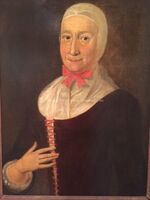 Catherine Huber (1703-1798)
 Portrait of Catherine Huber (1703-1798)
Huber moved to Nazareth during the General Economy period. She cared for the community’s sick and oversaw the nursery, which was located in this building. Children between the ages of 18 months and four years lived together in the nursery under the care of a few Single Sisters. The nursery allowed parents to contribute to the General Economy without the interruption of child rearing. Children in the nursery learned hymns by heart and practiced remaining attentive throughout religious services. At bedtime, the children sang an evening hymn.
-
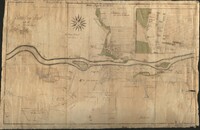 Bethlehem Tract with all the adjacent lands
-
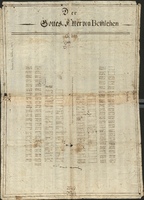 Der Gottes-Akker von Bethlehem
 Plan of God's Acre (cemetery) in Bethlehem, showing graves from 1742 until 1749 (plot No. 125)
-
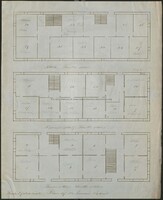 Plan of the Gemein House
 Floor plans for the Gemeinhaus in Bethlehem, Pennsylvania, with names of the occupants of each room
-
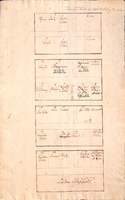 Floor plan for four of the floors of the Brethren's House with labeled rooms
 Floor plans of the basement, ground floor, second floor, and third floor of the Single Brethren's House in Bethlehem, PA, with indication of room use
-
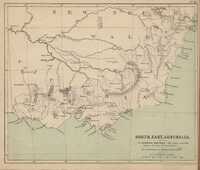 The Moravian Atlas: Map of South East Australia
 Plate number 12 from The Moravian Atlas digitized by the Bethlehem Digital History Project.
-
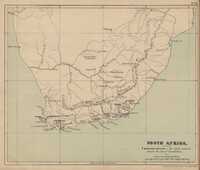 The Moravian Atlas: Map of South Africa
 Plate number 11 from The Moravian Atlas digitized by the Bethlehem Digital History Project.