-
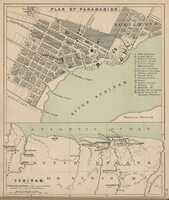 The Moravian Atlas: Map of Surinam and Plan of Paramaribo
 Plate number 10 from The Moravian Atlas digitized by the Bethlehem Digital History Project.
-
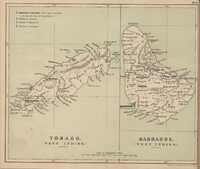 The Moravian Atlas: Map of Tobago and Barbados
 Plate number 9 from The Moravian Atlas digitized by the Bethlehem Digital History Project.
-
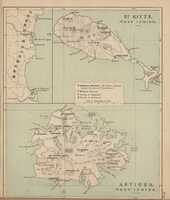 The Moravian Atlas: Map of Saint Kitts and Antigua
 Plate number 8 from The Moravian Atlas digitized by the Bethlehem Digital History Project.
-
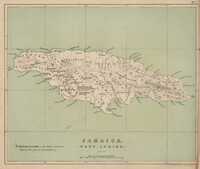 The Moravian Atlas: Map of Jamaica
 Plate number 7 from The Moravian Atlas digitized by the Bethlehem Digital History Project.
-
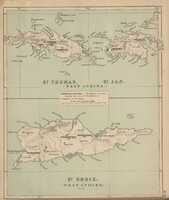 The Moravian Atlas: Map of the Saint Thomas, Saint Jan. and Saint Croix
 Plate number 6 from The Moravian Atlas digitized by the Bethlehem Digital History Project.
-
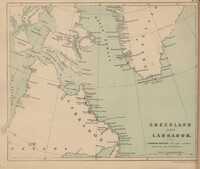 The Moravian Atlas: Map of Greenland and Labrador
 Plate number 5 from The Moravian Atlas digitized by the Bethlehem Digital History Project.
-
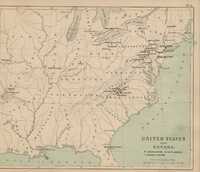 The Moravian Atlas: Map of United States and Canada
 Plate number 4 from The Moravian Atlas digitized by the Bethlehem Digital History Project.
-
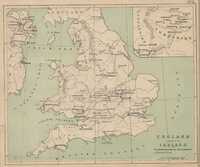 The Moravian Atlas: Map of England and Part of Ireland
 Plate number 3 from The Moravian Atlas digitized by the Bethlehem Digital History Project.
-
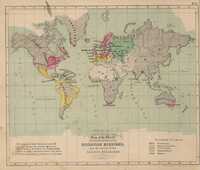 The Moravian Atlas: World map showing the position and extent of the various religions
 Plate number 1 from The Moravian Atlas digitized by the Bethlehem Digital History Project.
-
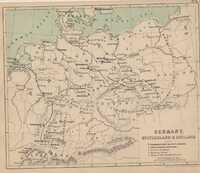 The Moravian Atlas: Map of Germany, Switzerland, and Holland
 Plate number 2 from The Moravian Atlas digitized by the Bethlehem Digital History Project.
-
 Missions-Atlas der Brüder-Unität
 Maps and statistics relating to the movements and missionary settlements of the renewed Moravian Church worldwide from 1722 to 1860.
-
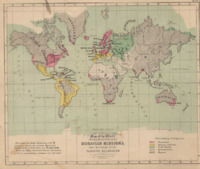 The Moravian Atlas
 Maps and statistics relating to the movements and missionary settlements of the renewed Moravian Church worldwide from 1722 to 1852.
-
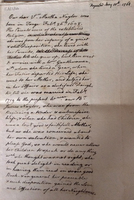 Martha Naylor (1698-1761)
 Written in English, this document is a biographical memoir of Martha Naylor (1698–1761). The narrative recounts her birth in Tong, her upbringing within the Church of England, her service in a gentleman’s household, her marriage to James Naylor in 1719, and her life as a wife and mother. The memoir emphasizes her quiet and gentle disposition, religious devotion, concern for salvation, moral guidance of her children, and love of religious reading, reflecting common themes in Moravian memorial literature.
-
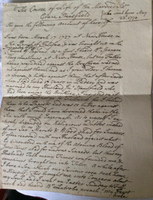 Grace Stansfield (1727-1770)
 Written in English, this document is an autobiographical spiritual memoir entitled The Course of Life of the late Sister Grace Thresfield. Written in the first person, the narrative recounts Grace Thresfield’s birth in 1727, the death of her father during her childhood, her religious upbringing, and her spiritual struggles and development within the Moravian community. The memoir reflects themes common to Moravian religious literature, including repentance, salvation, prayer, religious fellowship, and devotion to Jesus Christ.
-
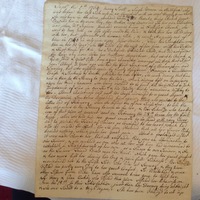 Mary Scott (1734-1764)
 Written in English, this document is a biographical memoir of Mary Scott, a single woman associated with the Moravian community who died in 1767 after a prolonged illness. The narrative recounts her birth in Coventry, her upbringing within the Church of England, her exposure to Moravian preaching and fellowship, and her spiritual development. The memoir emphasizes themes of religious devotion, suffering, patience during illness, Christian fellowship, and preparation for death, reflecting common themes in Moravian memorial literature.
-
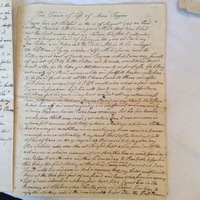 Anna Rogers (1743-1763)
 Written in English, this document is an autobiographical spiritual memoir entitled The Course of Life of Anna Rogers. Written in the first person, the narrative recounts Anna Rogers’s birth in Bedford on August 15, 1738, her childhood experiences, spiritual struggles, and religious development within the Moravian community. The memoir reflects on themes of sin, repentance, salvation, religious fellowship, and participation in Moravian devotional life, including attendance at meetings and love-feasts.
-
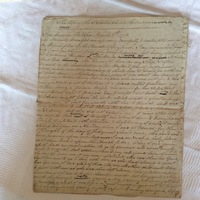 Sarah Robinson (1712-
 Written in English, this document is a biographical memoir of Hannah Sophia Robbins, who died at Fulneck on February 4, 1855. Compiled after her death from memory and limited written notes, the narrative recounts her birth on November 20, 1823, at Saint John’s, Antigua, where her parents were serving as Moravian missionaries with the Church of the United Brethren. The memoir describes her Christian upbringing, religious instruction from childhood, and spiritual development, emphasizing themes of faith, devotion, moral example, and salvation.
-
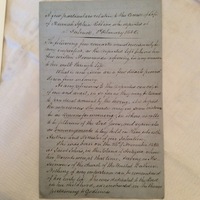 Hannah Sophia Robbins (1823-1856)
 Written in English, this document is a biographical memoir of Hannah Sophia Robbins, who died at Fulneck on February 4, 1855. Compiled from memory by another author after her death, the narrative recounts her birth in 1823 at Saint John’s, Antigua, where her parents served as Moravian missionaries, and describes her childhood religious upbringing and spiritual development within the Church of the United Brethren. The memoir reflects themes of Christian devotion, missionary life, and religious instruction.
-
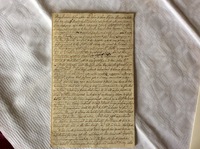 Mary Render (1746-1760)
 Written in English, this document is a biographical memoir of Mary Renders, daughter of John and Ann Renders, born October 22, 1746. The narrative recounts her childhood, education, and religious upbringing within the Moravian community, including her schooling in Bethlehem and her spiritual development. Like many Moravian memorial biographies, the account emphasizes Christian instruction, personal devotion, prayer, and preparation for religious life.
-
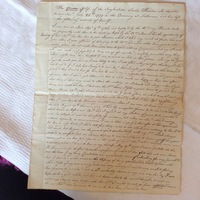 Isabela Render (1756-1777)
 Written in English, this document is an autobiographical spiritual memoir of the Single Sister Swalle Renders (surname uncertain), who died on July 25, 1777, in Lititz, Pennsylvania. Written primarily in the first person, the memoir recounts her childhood, baptism, religious upbringing, spiritual struggles, and experiences within the Moravian community. The narrative reflects themes common to Moravian memoir literature, including salvation, prayer, religious devotion, and preparation for eternal life.
-
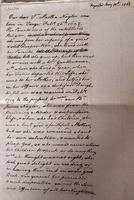 Martha Naylor (1698-1761)
 Written in English, this document is a biographical spiritual memoir of Martha Naylor (1698–1761). The narrative recounts her upbringing within the established church, years in domestic service, marriage to Brother James Naylor, and life as a devoted wife and mother. The memoir emphasizes her quiet and peaceable character, concern for salvation, religious devotion, and commitment to moral and spiritual instruction within the Moravian community.
-
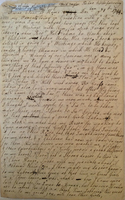 Faith Naylor (1744-1761)
 Written in English, this document is an autobiographical spiritual memoir of Sister Faith Taylor, born in 1744. Written in first person, the narrative recounts her upbringing within a Moravian-connected family, childhood participation in religious meetings, and growing desire to join the Moravian Girls’ Choir and Choir House. The memoir reflects themes of spiritual devotion, religious formation, Christian fellowship, and commitment to Moravian communal life common to eighteenth-century Moravian autobiographical literature.
-
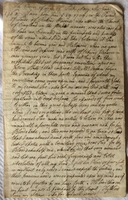 Mary Mortimer (1709-1765)
 Written in English, this document is an autobiographical spiritual memoir of Sister Mary Armit (surname uncertain), born in Leeds in 1709. Written in first person, the narrative recounts her religious upbringing in the Church of England, growing conviction of sin through Moravian preaching, and profound spiritual experience of forgiveness and salvation through Christ’s atoning blood. The memoir reflects themes of repentance, grace, inward transformation, and emotional religious awakening common to eighteenth-century Moravian autobiographical literature.
-
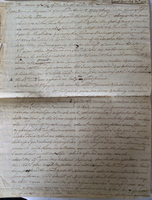 Elizabeth Lawton (1744-1770)
 Written in English, this document is an autobiographical spiritual memoir of the Single Sister Eliz. Rawdon (1747–1770). Written in first person, the narrative recounts her upbringing near Mirfield, participation in Moravian children’s meetings, experiences in domestic service, spiritual struggles, and growing commitment to Moravian religious life. The memoir reflects themes of repentance, inward conviction, Christian fellowship, and devotion to Christ common to eighteenth-century Moravian autobiographical literature.
-
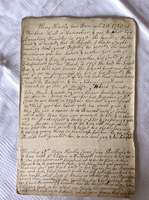 Mary Hindley (1740-)
 Written in English, this document is a biographical spiritual memoir of Mary Hindly (1740–?). The narrative recounts her early religious upbringing in Lancashire, growing concern for salvation, participation in Moravian religious meetings, and eventual residence with the Sisters at Dukinfield. The memoir also describes her illnesses, spiritual devotion, and humble Christian conduct, reflecting themes of grace, repentance, fellowship, and preparation for death common to eighteenth-century Moravian memorial literature.