-
 Deborah Thornton (1699-1771)
 This memorial account recounts the life and faith of Deborah Thornton (1699–1771), born Deborah Walker in England. Married in 1723, she lived peacefully with her husband until she experienced a spiritual awakening around 1740 through the preaching of John and Charles Wesley and later became connected with the Moravian community. After being widowed in 1746, she devoted herself more fully to religious life, moving to Fulneck and working faithfully among the Single Sisters. The narrative emphasizes her humility, diligence, devotion to prayer, and deep concern for her soul, especially during periods when she struggled with feelings of unworthiness and spiritual doubt. Over time she gained increasing comfort through communion, worship, scripture, and fellowship within the Moravian church. The final pages describe her declining health and peaceful final days, portraying her as spiritually prepared, calm, and joyful in anticipation of eternal life before her death in 1771.
-
 Mary Taylor (1745-1790)
 This autobiographical memoir tells the story of Mary Taylor (1745–1790), a Moravian woman who struggled deeply with despair, guilt, and fear for her soul before gradually finding comfort through faith in Christ and Moravian preaching. Drawn strongly to the Moravian community, she joined the choir house at Dukinfield and later Fulneck despite severe opposition from her family, who tried to force her to leave by locking her up and physically restraining her. The account emphasizes her spiritual struggles, religious devotion, and perseverance in remaining faithful to the Moravian Church.
-
 Hannah Taylor (1740-1773)
 This memorial account describes the life and death of Hannah Taylor, a Moravian “Single Sister” born in 1740 and raised in a religious environment from childhood. She became connected with the Moravian community at Gomersal and later Fulneck, where she served faithfully among the sisters and was known for her seriousness, humility, and devotion to spiritual life. Although naturally reserved and sometimes troubled by doubts and fears about her salvation, she longed for a closer relationship with Christ and found comfort through worship, prayer, and Holy Communion. During her final illness in 1773, she expressed peace, gratitude, and joyful anticipation of eternal life, speaking affectionately to the sisters caring for her and showing deep confidence in her “Bridegroom,” Christ. The account portrays her death as calm, spiritually assured, and surrounded by the love and fellowship of the Moravian community.
-
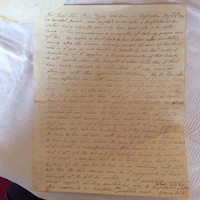 Ann Taylor (1731-1758)
 This biographical memorial account describes the life of Ann Taylor (1731–1758), an orphaned young woman who became deeply connected to the Moravian community through relatives involved in the early religious movement. Over time she grew devoted to prayer, fellowship, and Holy Communion, though she struggled with impatience and spiritual longing. During a final illness, likely tuberculosis, she expressed deep peace and joy at the thought of being united with Christ, affectionately calling him her “Bridegroom” and “dearest Lamb,” and died calmly in 1758 at age 27 surrounded by members of her religious community.
-
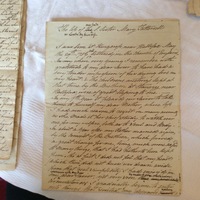 Mary Tattersall (1756-)
 This autobiographical memoir describes the spiritual journey of Mary Tattersall, who was raised near Halifax within the Moravian religious community. After losing her mother young, she struggled with temptation, doubt, and spiritual uncertainty before gradually deepening her faith through prayer, religious meetings, and devotion to Christ. She eventually joined the Moravian “Single Sisters” community at Fulneck, where she committed herself fully to religious life and sought to live faithfully despite ongoing inner struggles.
-
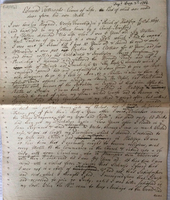 Edmund Tattersall (1691-1761)
 This autobiographical and memorial account tells the life story of Edmund Tattersall (1691–1761), who grew up in Yorkshire, lost his father young, and spent much of his early adulthood in worldly living, including drunkenness, military service, and failed business ventures. Though he long desired true religion, he struggled with pride and outward religiosity until he encountered the Moravian Brethren, among whom he found the spiritual peace and fellowship he had been seeking. Over time he became deeply devoted to Christ, the Moravian community, and Holy Communion, despite continuing struggles with pride and temperament. In his later years he suffered greatly from asthma, dropsy, and poverty, yet remained comforted by faith in the “crucified Lamb” and died peacefully in 1761 after a long illness, surrounded by the care of the Brethren.
-
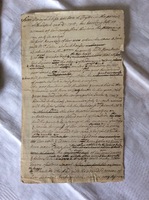 Mercy Sutcliffe (1715-1760)
 This memorial account describes the life and death of Mercy Sutcliffe (1715–1760), a Moravian woman from Yorkshire who became devoted to the Moravian congregation at Gomersal and Fulneck. The narrative emphasizes her humility, obedience, spiritual sincerity, and deep attachment to Christ and the fellowship of the sisters. Although she endured a long physical decline, likely from a consumptive illness, she remained peaceful and thankful, often speaking of the comfort she found in her faith and in the care of the Moravian community. The account concludes by portraying her death as calm, joyful, and spiritually prepared, with a strong hope of eternal rest with Christ.
-
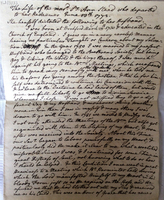 Ann Stead (1730-1772)
 This memoir recounts the spiritual life of Ann Stead (1730–1772), who was raised in the Church of England and initially cared little about religion. After marrying a man connected with the Moravian Brethren, she gradually became drawn to their meetings and teachings and experienced a profound religious awakening in which she felt assured of Christ’s forgiveness and love. She later joined the Moravian congregation and became deeply devoted to prayer, communion, and fellowship with Christ. The account also describes her life as a mother of ten children, the loss of five of them, and her final illness following the birth of her last child. During her sickness she remained peaceful, joyful, and unafraid of death, expressing complete trust in Christ as her “Friend & Redeemer,” and was remembered as spiritually comforting and inspiring to those who visited her before her death in 1772.
-
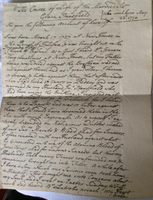 Grace Stansfield (1727-1770)
 This memoir recounts the spiritual life of Grace Stansfield (1727–1770), who was born near Huddersfield and raised in the Church of England. After marrying a man connected with the Moravian Brethren, she at first resisted their teachings and disliked their meetings, but gradually became moved by her husband’s example and the preaching she heard among the Brethren. She eventually experienced a deep religious awakening centered on Christ’s suffering and forgiveness, which brought her lasting comfort and devotion. Over time she joined the Moravian society and grew especially attached to the fellowship and love she found among the sisters. The later portion describes her final illness following the birth of a child, during which she remained peaceful, spiritually joyful, and eager to “go home” to Christ. She was remembered for her humility, faith, and calm confidence in eternal life before her death in 1770.
-
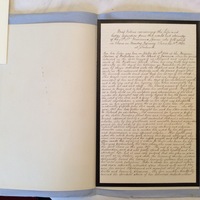 Marianne Spence (1844-1866)
 This biographical memorial account describes the life and death of Marianne Spence (1844–1866), the daughter of Moravian missionaries in Jamaica who was later educated at Fulneck, Neuwied, and Montmirail. Gentle, obedient, and deeply religious from childhood, she became a devoted member of the Moravian “Single Sisters” choir and later worked as a teacher at Gomersal. Though physically frail throughout her life, she remained calm, faithful, and spiritually mature, especially during her final illness from consumption (tuberculosis). The narrative emphasizes her quiet trust in Christ, her resignation to God’s will, and her peaceful death at age 21, portraying her as an example of Christian humility, patience, and readiness for eternal life.
-
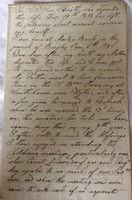 Susan Smith (1746-1814)
 This autobiographical and memorial account recounts the spiritual life of Susan Smith (1746–1814), who was raised within the Moravian community at Fulneck after losing her mother shortly after birth. From childhood she experienced strong religious impressions, especially through Moravian meetings and the influence of Count Zinzendorf, but throughout her life she struggled with doubt, despair, feelings of unworthiness, and periods of spiritual darkness. Despite these inner struggles, she repeatedly found comfort through prayer, Holy Communion, and faith in Christ’s mercy, eventually viewing her life as a “chequered course” marked by the patience and faithfulness of her Savior. The concluding section describes her final illness and peaceful death in 1814, during which she expressed longing for eternity and humble confidence that Christ would receive her “poor and worthless” soul.
-
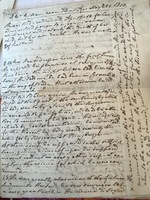 Ian McMillan (-1810)
 This detailed prison journal recounts the final weeks of I. McMillan, a Scottish linen weaver executed at Ayr in 1810 for poisoning a young woman in an attempted abortion that resulted in both her death and that of her child. The narrative follows his gradual spiritual transformation while awaiting execution, recorded through repeated visits by ministers. At first he appeared self-righteous and more distressed about his punishment than his soul, but over time he became increasingly repentant, acknowledging the seriousness of his sins, his moral failings, and his need for God’s mercy. He reflected deeply on Christ’s suffering, prayed fervently, and expressed hope in salvation through the atonement of Jesus rather than through his own goodness. Though terrified by the shame of execution and concerned for his family, he eventually faced death with calmness and composure, repeatedly warning others about the dangers of temptation and sin. On the day of his execution, after prayer and hymns with ministers, he declared himself ready and died expressing trust in Christ’s mercy and “the atoning blood of Jesus.”
-
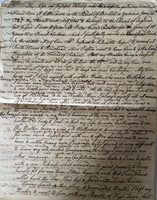 Joseph Haley (1727-1772)
 This autobiographical and memorial account tells the life story of Joseph Haley (1727–1770), a poor Yorkshire apprentice who struggled in early adulthood with irreligion, “wicked companions,” and spiritual dissatisfaction despite exposure to Methodist preaching. After periods of moral decline, illness, and despair, he was gradually drawn to the Moravian Brethren, especially through preaching that deeply affected him and the fellowship he observed at Fulneck. He eventually joined the Moravian congregation, where he found the spiritual peace and sense of belonging he had long sought, later serving the Brethren in several communities including Bedford and Duckenfield. Though naturally somewhat peevish and physically frail, he was remembered as honest, humble, and devoted to Christ, spending his final illness in peaceful resignation before dying of consumption in 1770.
-
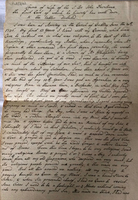 John Darnbrook (1736-1770)
 This autobiographical and memorial account recounts the life of John Darnbrook (1736–1770), who was raised in a religious Yorkshire family but struggled in his youth with sin, pride, and spiritual dissatisfaction despite intense efforts at prayer and moral reform. After hearing Moravian preaching about Christ’s suffering and salvation through his blood, he became deeply moved and gradually joined the Moravian Brethren. His life then took him through years of travel and seafaring, including dangerous voyages to Greenland, India, and China, where he witnessed extreme hardship, sickness, and moral corruption while repeatedly wrestling with guilt and fear of damnation. After a profound religious experience in London in which he felt assured of Christ’s mercy, he fully joined the Moravian congregation and eventually settled at Fulneck, where he lived quietly and faithfully among the Brethren. Though physically weak and often humble about his spiritual state, he was remembered as sincere, devoted, and deeply attached to Christ, spending his final illness in peaceful preparation for death before dying in 1770 at age 33.
-
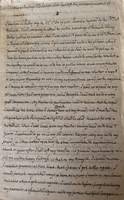 Joseph Carr (1764-1796)
 This autobiographical and memorial account recounts the life of Joseph Carr (1764–1796), a poor Yorkshire apprentice who drifted into careless living and bad company during his youth despite being raised around the Moravian community at Fulneck. After a serious illness and the encouragement of his sister and Moravian ministers, he became deeply affected by Moravian preaching and gradually joined the Brethren, eventually living in the Single Brethren’s house at Fulneck. He remained humble and viewed himself as an unworthy sinner saved only through Christ’s mercy, finding particular comfort in Holy Communion and Passion Week services. Though naturally quiet and often sickly, he was remembered as sincere, devout, and deeply attached to Christ, facing his final illness and death from consumption peacefully in 1796.
-
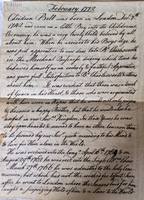 Christian Bell (1742-1772)
 This biographical memorial account describes the life of Christian Bell (1742–1772), a Moravian brother raised in the Children’s Economy who was initially seen as sincere, faithful, and spiritually promising. After entering business and traveling to London, however, he became increasingly drawn toward worldly ambitions and struggled inwardly between devotion to Christ and attachment to worldly life. Though deeply troubled by this divided heart and fearful for his soul, he repeatedly experienced convictions of conscience and continued longing for spiritual peace. Eventually he developed consumption, which he viewed as part of God’s merciful effort to draw him back fully to Christ. During his final illness he openly confessed his regrets about neglecting the congregation and pursuing worldly interests, but shortly before death he found comfort, assurance of forgiveness, and peace in Christ, dying calmly in 1772 at age 29.
-
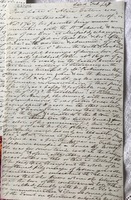 Alice Catton (1767-1848)
 This biographical memorial account describes the life of Alice Catton (1767–1848), a Moravian sister raised in a devout religious household who spent most of her long life connected with the Moravian communities at Littlemoor and Fulneck. Known for her cheerful, gentle, and humble character, she faithfully served in various roles, including caring for her aging father and working in the Sisters’ House, while maintaining a steady and sincere religious life for more than fifty years. Though she experienced some hardships, including financial loss in old age, she accepted them calmly and trusted in God’s care. During her final illness she spoke peacefully and confidently of Christ’s grace and forgiveness, expressing no fear of death and affirming her complete trust in her Savior before dying quietly in 1848 at age 80.
-
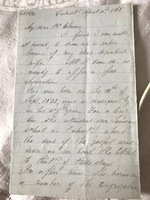 Sister Ward (1831-1868)
 This biographical memorial letter describes the life and death of the wife of missionary James Ward, born in 1831 and raised within the Moravian community at Fulneck. After attending the Sunday school and later living in the Sisters’ House, she married and went with her husband to Jamaica in 1856, where they served in several Moravian congregations. She was remembered as quiet, devoted, and deeply caring, earning the affection of both the local people and fellow missionaries. Though often in fragile health and frequently suffering from tropical illness, she remained faithful in her work and loving toward her family, especially her children. Shortly before her death, she tenderly blessed her children and bade farewell to those around her, peacefully dying while a benediction was being spoken.
-
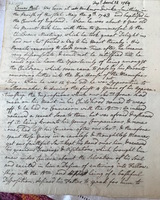 James Peel (1743-1764)
 This biographical memorial account describes the short but deeply religious life of James Peel (1743–1764), who was raised within the Moravian community from childhood and developed an early love for the Brethren and their meetings. Although he drifted somewhat during his apprenticeship years, he later renewed his commitment to Christ and joined the Moravian Society, longing especially to live in the Single Brethren’s Choir House. Before he could fully begin that life, however, he became seriously ill with a painful disease affecting his leg, which gradually left him unable to walk. Over time he came to believe that his sickness was the means by which Christ intended to “take him home,” and after a profound spiritual experience that filled him with peace and joy, he endured his suffering with remarkable patience and cheerfulness. He died peacefully in 1764 at age 20 during the singing of hymns among the Single Brethren, fully convinced of Christ’s nearness and love.
-
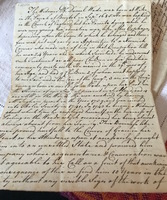 Daniel Wade (1685-1767)
 This biographical memorial account recounts the life of Daniel Wade (1685–1767), an orphaned Yorkshire laborer who endured a difficult childhood apprenticeship and later worked for many years peeling trees in the woods. After hearing the preacher Benjamin Ingham in 1739, he experienced a religious awakening and eventually joined the Moravian congregation, though his demanding work and worldly distractions slowed his spiritual growth for many years. Over time, especially in old age, he became deeply attached to Christ and the Moravian meetings, attending them faithfully despite extreme weakness and illness. He often reflected gratefully on what he believed were miraculous escapes from dangerous falls while working in trees, seeing them as signs of Christ’s protection. In his final illness he expressed joyful confidence that he would soon “see his Redeemer,” and he died peacefully in 1767 at age 81 after a life marked by increasing devotion, humility, and love for the Moravian community.
-
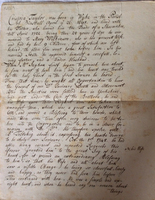 Crispin Taylor (1698-1752)
 This biographical memorial account describes the life and death of Crispin Taylor (1698–1749), a Yorkshire shoemaker and devoted Moravian husband and father of nine children. Deeply affected by the preaching of Benjamin Ingham, he and his wife joined the Moravian Brethren, where he became known for his simple faith, humility, cheerfulness, and strong devotion to Christ. Holy Communion was especially meaningful to him, bringing him profound spiritual joy and comfort throughout his life. In his final illness, despite severe pain, he remained calm, patient, and eager to “go to my dear Saviour,” repeatedly encouraging his family to “cleave to the Saviour.” Shortly before his death he tenderly blessed his wife and children, then died peacefully and quietly, described as resting safely in the “everlasting arms and pierced heart of Jesus.”
-
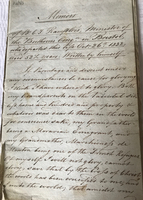 Christian Friedrich Ramftler (1780-1832)
 This autobiographical and memorial memoir recounts the life of C. F. Ramftler (1780–1832), a Moravian minister born in Saxony and raised within the Moravian Church. From childhood he felt drawn toward religious life and ministry, despite periods of doubt, illness, and personal struggle. After teaching and theological training in Germany, he was called to England in 1803, where he became a teacher, preacher, and eventually minister in several Moravian congregations including Bedford, Fulneck, and Bristol. The memoir emphasizes his energetic devotion to pastoral work, missionary causes, preaching, and education, as well as his struggles with a naturally harsh temper and the pressures of leadership. During his final illness he remained deeply devoted to Christ and continued preaching almost until death, expressing peace, humility, and a longing “to depart, and to be with Christ.” He died in 1832 at age 52 and was remembered as a gifted, tireless, and spiritually influential Moravian pastor.
-
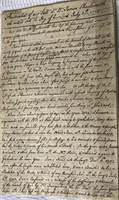 James Charlesworth (1721-1770)
 This autobiographical and memorial account recounts the life of James Charlesworth (1721–1770), a prominent Moravian leader in Yorkshire who was raised in the Church of England and drawn early toward serious religious life. After joining the Moravian Brethren in the 1740s, he became deeply devoted to Christ, preaching, pastoral care, and the administration of Moravian settlements and businesses at Fulneck and elsewhere. Though gifted in leadership and trusted with major financial and organizational responsibilities, he often struggled inwardly with stress, spiritual concern, and the burdens of external affairs, longing instead for more direct spiritual ministry. In his later years his preaching became especially heartfelt and spiritually powerful, while his health steadily declined. During his final illness he remained loving, peaceful, and eager to “go home” to Christ, dying calmly in 1770 surrounded by prayer, hymns, and the Moravian congregation.
-
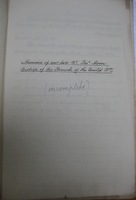 Thomas Moore (1750-1823)
 This autobiographical memoir by Thomas Moore (born 1750 in Worcester) recounts his early life, education, and gradual religious awakening. Raised in the Church of England by a respectable merchant family, he lost his father at a young age and was carefully educated by Anglican clergymen. Although he later recognized sinful tendencies and worldly influences among his school companions, he was deeply affected as a boy by evangelical religious meetings led by Rev. Mr. Mansell in Staffordshire. A sermon emphasizing that “One thing is needful” left a lasting impression on him, even before he fully understood its spiritual meaning. These early experiences laid the foundation for the stronger Christian faith and spiritual convictions that later shaped his life.
-
 John Willey (1781-1847)
 This memoir recounts the life of John Willey (1781–1847), a devoted member of the Moravian Church who was raised in Fulneck within a deeply religious family. Though he experienced a generally happy and innocent childhood and was remembered for his gentle disposition, he also struggled at times with worldly influences and youthful pleasures while apprenticed away from home. Over time, however, he became increasingly devoted to Christ and the Moravian faith, eventually being regarded as a sincere and faithful servant within the congregation. The memoir emphasizes his kindness, humility, and steady Christian character, as well as the affection felt for him by family, friends, and fellow believers. During his final illness he remained calm and trusting in Christ, and the account closes with his children expressing confidence that he had entered eternal peace and happiness with the Lord after his death in 1847 at age 66.